
During much of the first half of this year, things were looking up for Ahmed al-Sharaa. Syria’s new president was basking in Donald Trump’s decision to lift sanctions on his country. After more than a decade of civil war, Damascus and other cities had begun to hum again. Investors from the Gulf and Turkey piled in. Our polling showed that the public mood was buoyant. After ousting Bashar al-Assad’s regime, Mr Sharaa, a former jihadist, had not imposed the Taliban-style rule that some had feared.
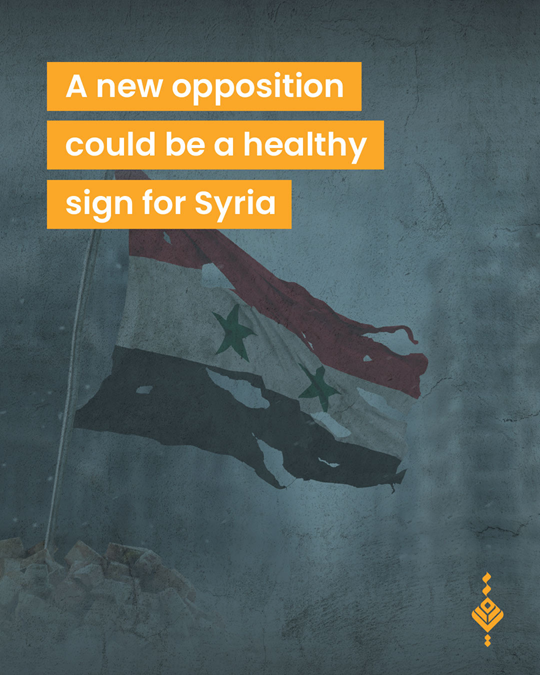
Unfortunately, as the euphoria fades, Syrians are growing increasingly frustrated. Mr Sharaa has disappointed them by failing to ease the sectarian divisions that have long made their country a tinderbox. He exhibits creeping authoritarianism. Now civil-society activists are building an organised opposition. How Mr Sharaa responds to this political challenge will define both his presidency and his country’s future.
Sectarian Violence Continues
The president has often acted pragmatically. But there have been terrible lapses. In March, when Sunni militias linked to Mr Sharaa’s forces slaughtered around 1,400 people in coastal Latakia, he was slow to respond. The region is the heartland of Syria’s Alawite minority, the sect from which Mr Assad and many of his loyalists came. Four months later clashes in Suwayda, a province dominated by the Druze, a mystical religious minority, ended with massacres, some by troops loyal to the government.
These incidents have shattered the hopes of many Syrians who believed that the fall of Assad would bring unity and peace. Instead, sectarian violence has continued under new management, raising questions about whether Syria’s new leadership is genuinely committed to protecting all citizens regardless of their religious or ethnic background.
Authoritarian Tendencies
Signs of authoritarianism are hard to miss. When Mr Sharaa ruled Idlib province during the final years of the Assad regime, he ran a competent government that oversaw a flourishing economy. But he also became increasingly brutal, imprisoning many of his critics. He has brought some aspects of that leadership to the presidency, centralising power among a small group of loyalists.
The concentration of power in the hands of a few trusted allies, combined with the suppression of dissenting voices, has created an environment where critical decision-making lacks transparency and accountability. This approach mirrors some of the worst aspects of the Assad regime that Mr Sharaa helped to overthrow.
Opposition Movement Emerges
A loose coalition of activists, some of them veterans of the anti-Assad era, has now begun pressing for urgent political reform. They have called for Mr Sharaa’s hastily drafted constitutional declaration to be rewritten so as to allow the formation of political parties and to give more scope for civil society to operate. It is the first stirring of co-ordinated opposition to the regime.
This emerging opposition represents a diverse cross-section of Syrian society, including secular activists, moderate religious leaders, women’s rights advocates, and representatives from minority communities. Their demands focus on constitutional reform, judicial independence, freedom of expression, and genuine power-sharing arrangements.
The Path Forward
Mr Sharaa has yet to lock up any of his new opponents. But he should do more than tolerate critics; he should welcome them and bring them into his government. Syria needs an open constitutional process, a deal with the Kurds, broader leadership in the security forces and an electoral framework to ensure that the committees choosing members of an interim parliament in September do not opt overwhelmingly for hardline Sunnis.
The president’s response to this growing opposition will be a crucial test of his democratic credentials. If he chooses the path of repression, Syria risks sliding back into conflict. If he embraces genuine dialogue and reform, he could still fulfill the promise of a new Syria that protects all its citizens and provides hope for lasting peace.
International Implications
The development of organized opposition in Syria also has significant implications for international relations. Western governments that have cautiously begun to engage with the Sharaa administration will be watching closely to see how he handles this challenge. His response could determine whether Syria continues to receive international support and investment or faces renewed isolation.
The emergence of legitimate political opposition is typically seen as a healthy sign in any democracy. For Syria, it represents both an opportunity and a test of whether the country can break free from its authoritarian past and build a genuinely inclusive political system.