
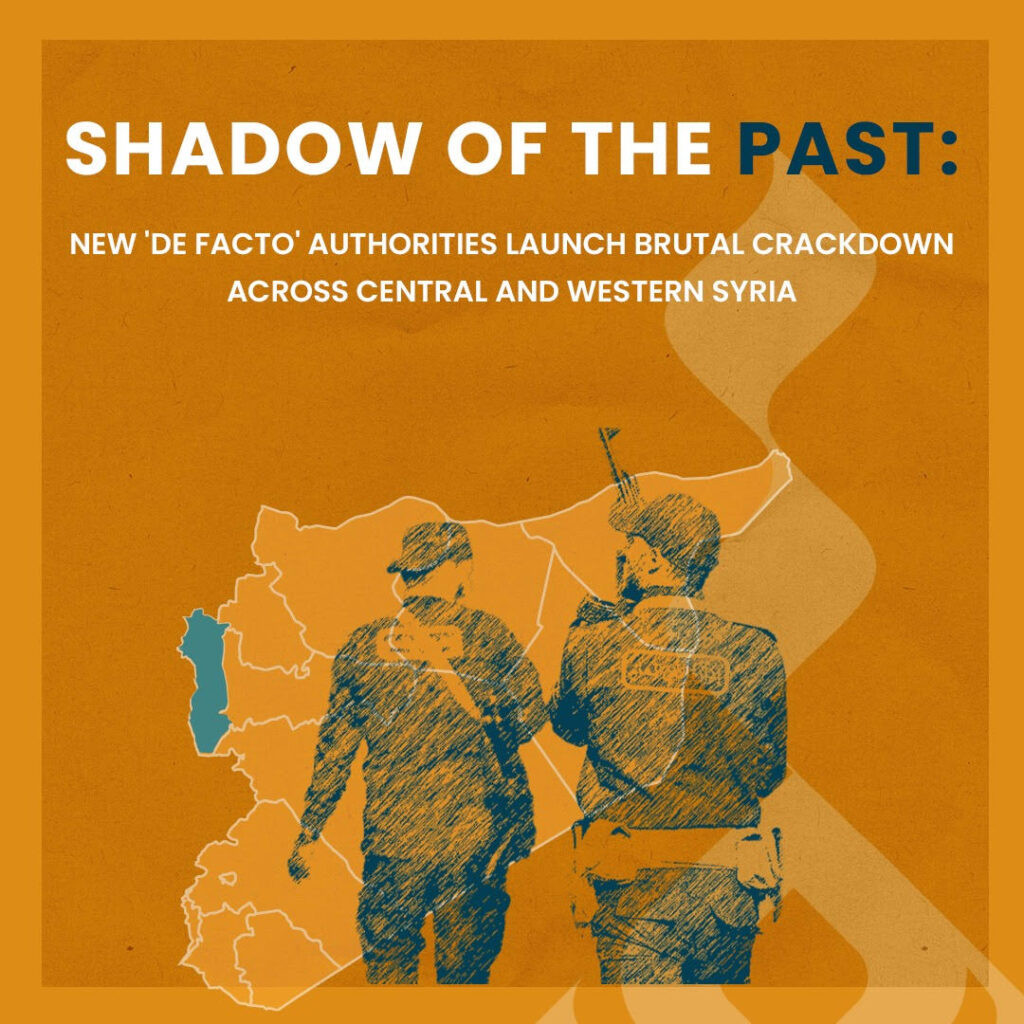
SYRIA – As the new year begins, the central and western regions of Syria—traditionally considered Alawite heartlands—are witnessing a wave of repression that many locals describe as a haunting echo of the former Assad regime’s tactics. Despite the shift in power, “de facto” security forces have launched a fierce campaign of arrests, assassinations, and intimidation, targeting religious figures, political activists, and women.
A Campaign Against the Alawite Community
In a move that has sent shockwaves through the coastal region, security apparatuses have targeted prominent figures within the Alawite community. The crackdown appears designed to stifle any emerging independent leadership or dissent. Key figures recently detained include:
* Sheikh Ahmed Habib: A well-known religious figure, arrested from his home in the countryside of Qardaha on charges of “inciting the state.”
* Sheikh Ali Halhal: The head of the Alawite Council in Tartus.
* Aktham Deeb: A veteran political activist in Jableh known for his long-standing opposition to the previous regime.
* Female Activists: Several women belonging to the “Lattakia Political Committee” were also detained.
Families of those arrested report receiving direct threats of judicial and security prosecution if they publish details regarding the circumstances of these disappearances.
Violence and Assassinations Mark the New Year
The transition into 2026 has been stained by blood across multiple governorates. Reports indicate a rise in targeted killings and suspicious deaths in custody:
* In Jableh: Young father Ali Bassam Tamer was assassinated at his doorstep in Ras al-Ain by unidentified gunmen.
* In Homs: Engineer Osama Abdul Monein Khaddour died in “Public Security” custody. His body was discovered at Al-Waar hospital just days after his family was promised his release.
* In Damascus: Retired Brigadier General Munir Othman was assassinated in front of his family by militants affiliated with the “Joulani government,” despite having previously completed a formal reconciliation (settlement) process.
* In Palmyra: Mukhtar Al-Saeed was gunned down by masked men on a motorcycle under the pretext of his ties to the former administration.
Civil Unrest and Arbitrary Measures
The crackdown extends beyond physical violence to administrative and civil intimidation. In Tartus, over 150 female teachers have issued desperate appeals after being hit with “arbitrary transfer” orders. The teachers were given only 72 hours to relocate to schools in the far eastern desert of Homs—a move seen by many as a form of forced displacement or collective punishment.
Meanwhile, in Lattakia, a strict curfew was imposed by internal security forces, effectively silencing the city under the guise of “public safety.” This follows the death of young Hayder Sajea Rabie, the fourth martyr of recent peaceful “Dignity Flood” demonstrations, who died after being run over by a security vehicle.
A Climate of Fear
The common thread across these incidents is a media blackout and systemic intimidation. In Homs, citizen Wael Fawani was killed while closing his shop, and 68-year-old Abdulaziz Al-Darwish was fatally shot inside his library. In Tartus and Damascus, families continue to search for young men like Qais Joudat Masoud and Hayder Nasser Hassan, who vanished without a trace.
While the names of the “de facto” rulers may have changed, the methods—disappearances, extrajudicial killings, and the silencing of religious and intellectual voices—remain a grim reality for the Syrian people in the opening days of 2026.