
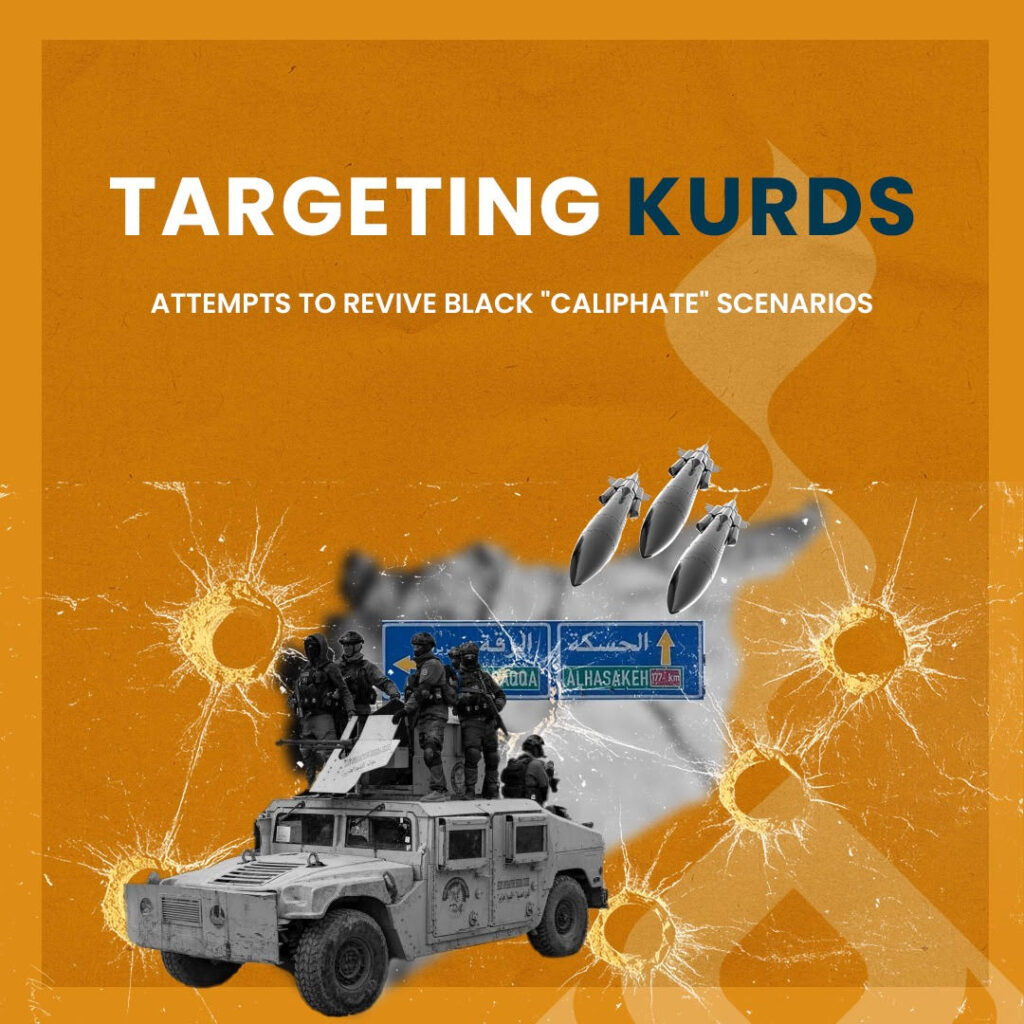
The current landscape in North and East Syria reveals a stark contrast between declared diplomatic agreements and the reality on the ground. Despite an official ceasefire, reports from the frontlines indicate a series of strategic military movements and grave human rights violations that threaten the stability of the region and the safety of its civilians.
Frontline Violations and Strategic Shifts
From the very first day of the agreement, factions affiliated with the so-called Ministry of Defense have been documented violating the ceasefire. Heavy shelling has targeted Syrian Democratic Forces (SDF) positions on the Ain al-Arab front, while military reinforcements—including artillery and rocket launchers—have been deployed from Qamishli toward Rumeilan.
In a significant shift of prisoner custody, Reuters reports that the U.S. military has begun transferring “high-value” detainees from Syria to Iraq, a move that comes amidst increasing volatility around detention centers.
Escalation in Raqqa and the Resurgence of Extremist Rhetoric
The situation in Raqqa has become a focal point of concern. Factions from Damascus have reportedly shelled Al-Aqtan Prison with heavy weaponry while surrounding the facility with tanks. Simultaneously, extremist elements are becoming more visible; the commander of the 42nd Division, known as “Raed Arab,” has publicly reassured jihadist groups of plans to liberate prisoners.
Adding to these concerns, members of Al-Jolani’s militias were seen raising the ISIS flag in the region. Furthermore, evidence suggests a shift in organizational structure within the “Ministry of Defense,” where traditional military ranks are being replaced with the title of “Amir,” a move seen as a direct replication of the Islamic Caliphate model.
Human Rights Abuses and Civilian Suffering
The humanitarian toll in the Southern Kobani countryside has reached a critical level. Reports indicate field executions of Kurdish civilians and the systematic looting and burning of homes, carried out under the cover of a complete internet blackout. In Raqqa, reports have surfaced regarding the desecration of the remains of Kurdish female fighters, highlighting a pattern of systematic violations against human dignity.
Furthermore, at Al-Hol Camp, documentation suggests that factions under the Ministry of Defense are facilitating the smuggling of ISIS-affiliated families out of the camp, posing a severe long-term security risk.
Economic Exploitation and Border Movements
The conflict continues to be fueled by the exploitation of local resources. Oil is reportedly being stolen from field operation areas and sold at low prices through Turkish intermediaries, echoing previous economic war scenarios. Meanwhile, a Turkish military delegation was recently monitored moving toward the borders adjacent to Kobani, signaling potential for further international escalation.
The Stance of the Autonomous Administration
The Autonomous Administration of North and East Syria (AANES) has reiterated its full commitment to the declared ceasefire. However, they have condemned the “brutal attacks” by factions affiliated with the “Transitional Government” in Damascus, specifically labeling the events in Kobani as full-scale war crimes. The Administration has called upon the International Coalition to intervene immediately to protect civilians and halt these systematic violations.
Sources and References
• Violations on Ain al-Arab Front:https://t.me/DARA_ala/20227
• Al-Aqtan Prison Developments: https://t.me/DARA_ala/20190
• ISIS Families Smuggling (Al-Hol): https://t.me/Syrian_Compass/120868
• Violations in Raqqa:https://t.me/Syrian_Compass/120870
• Turkish Military Movements:https://t.me/Syrian_Compass/120872
• ISIS Flag Incidents: https://t.me/Syrian_Compass/120886
• Oil Exploitation and Intermediaries: https://x.com/sufiansamarrai/status/2014093293575864538?s=46
• “Amir” Rank Documentation:https://www.facebook.com/share/r/17vPk8n7ob/?mibextid=wwXIfr