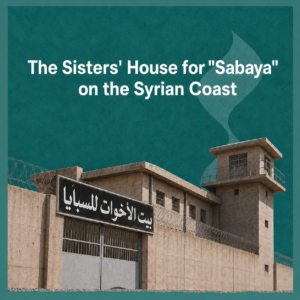
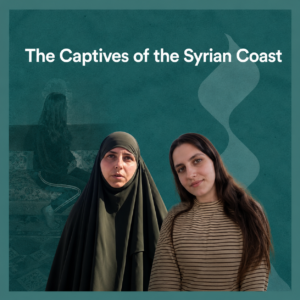
**Systematic abduction and ideological engineering targeting Alawite women in the Syrian Coast via "The Sisters' House," amid an absence of legal oversight and security apparatus complicity.**
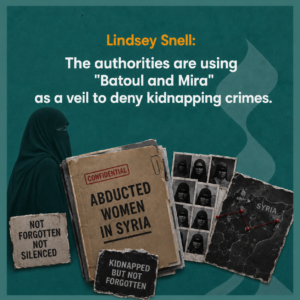
Journalist Lindsey Snell analyzes the authorities' tactic of rebranding abductees as 'runaways' through staged media appearances—a propaganda tool designed to undermine the families' accounts and provide political cover to bury dozens of systematic kidnapping cases
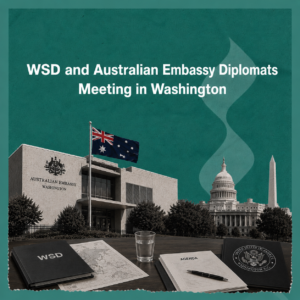
As part of its diplomatic outreach in Washington, Western Syria Development conducted a high-level meeting with the Australian Embassy to discuss protection mechanisms for vulnerable communities and promote inclusive governance standards that safeguard the rights of all Syrian constituents.
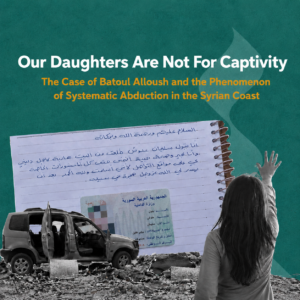
The Western Syria Development Foundation condemns the abduction of student Batoul Alloush, asserting that her enforced disappearance is part of a systematic pattern of targeting and intimidation against Alawite women. The Foundation demands immediate international intervention to enforce protection mechanisms, reveal her whereabouts, and ensure accountability for those responsible for these grave violations.
The abduction of Batoul Alloush serves as new physical evidence within the internationally documented file on the 'captivity' of Alawite women, confirming the ongoing nature of these crimes in coastal Syria through networks operating with security collusion and systematic blackmail.
Amid government silence regarding escalating sectarian incitement, an IED explosion targeted a public transport bus in Damascus' Alawite-majority Al-Wuroud neighborhood, injuring four civilians and highlighting the consequences of a lack of accountability for this rising rhetoric
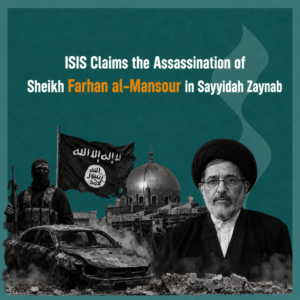
Via an IED in the heart of Sayyidah Zaynab, ISIS claims the assassination of Sheikh Farhan al-Mansour; a security operation that shatters claims of stability and exposes the Syrian government’s failure to protect religious figures in rural Damascus.
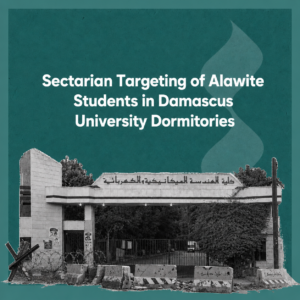
Tensions escalate at Damascus University dormitories following organized attacks by masked individuals targeting the rooms of Alawite students in Units 9 and 17. With the emergence of the so-called 'Sheikh of the Dorms' and organized groups, fears are mounting over the lack of legal accountability and the recurrence of these sectarian assaults within the campus.
The abduction of student Batoul Alloush from the gates of Latakia University brings the phenomenon of systematic kidnapping in the Syrian coast back to the forefront. From coerced handwritten messages to "staged migration" videos filmed under threat, the threads of security and administrative complicity are revealed, igniting public outrage under the banner of "Our Daughters Are Not For Captivity"
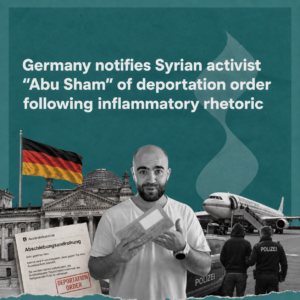
German authorities notify Syrian activist 'Abu Sham' of his deportation order, following his record of inciting strife and broadcasting hate speech against minorities and peaceful protesters.
While Italian museums honor him as a global icon, the 'Jolani authority' in his hometown attempts to erase his final trace. Khaled al-Asaad, the 'Guardian of Palmyra' who refused to trade history for his life, now faces a 'symbolic execution' as his name is stripped from his city's schools. Can ink erase what bullets could not? The story of a man who became an identity, and the desperate attempts to bury a memory that refuses to die.