The recent proposal put forward by businessman Tom Barrack regarding Syria’s energy sector is not merely a weak idea; it is a proposition that lacks the most basic elements of strategic seriousness. In what can only be described as a "leap into the void," Barrack treats a shattered nation not as a complex geopolitical crisis, but as a distressed asset—a quick investment opportunity for a high-stakes deal-maker.
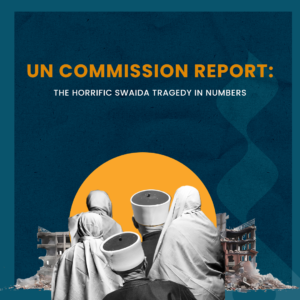
A new report by the International Commission of Inquiry revealed brutal acts of violence in Swaida resulting in the deaths of over 1700 people and the displacement of 200000 others from their homes
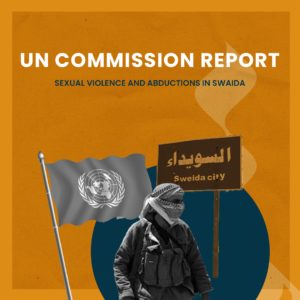
The new report by the Independent International Commission of Inquiry on Syria revealed horrific gender-based violations during the Swaida events in July 2025 Investigators documented the involvement of government forces and tribal fighters in crimes including sexual violence rape and abduction
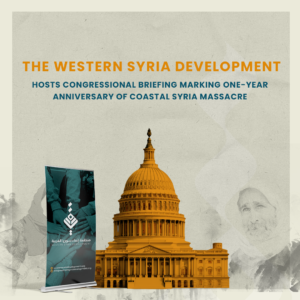
WASHINGTON, D.C. — On March 18, 2026, the Western Syria Development Organization hosted a congressional briefing in the U.S. House of Representatives to commemorate the one-year anniversary of the March 2025 massacre targeting Alawite and Christian communities in coastal Syria.
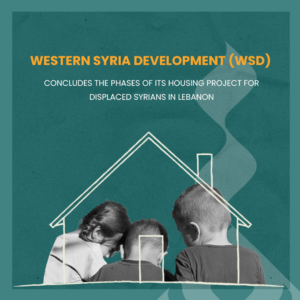
Addressing the dire consequences of sectarian violence and forced displacement in the Syrian coast, Western Syria Development launched a comprehensive housing and humanitarian project as part of the Ahl al-Bayt Initiative. This project aims to protect the most vulnerable families who sought refuge in Lebanese camps, where they faced extreme poverty and a lack of stability.
The recent political and security shifts in Syria have created a volatile vacuum, where the struggle for civil rights is increasingly overshadowed by targeted sectarian aggression, systematic extortion, and a looming regional security crisis.
The U.S. Capital, Washington D.C., hosted a prominent political and humanitarian event: a special Congressional briefing titled "Defending Freedom." The session aimed to shed light on the deteriorating conditions in Syria and explore avenues for protecting religious minorities amidst escalating security threats and sectarian tensions.
The security situation in the Hama countryside has reached a critical point following the killing of a youth from the Christian community in Mhardeh city Elie Simon Takla aged 21 was shot and martyred by unidentified masked men on a motorcycle during an armed robbery targeting a bag of gold in his possession The funeral of the young man transformed into a massive angry protest as residents took to the streets to denounce the state of security chaos and the failure to protect citizens from armed gangs
Crossing the river separating Syria and Lebanon was not merely a fleeting moment of displacement in Yasser’s life (a pseudonym), but a harsh experience that left its mark on body and soul.
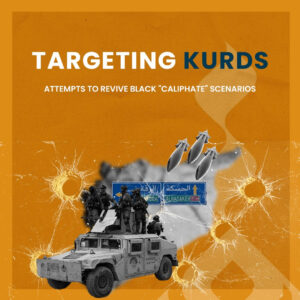
The current landscape in North and East Syria reveals a stark contrast between declared diplomatic agreements and the reality on the ground. Despite an official ceasefire, reports from the frontlines indicate a series of strategic military movements and grave human rights violations that threaten the stability of the region and the safety of its civilians.
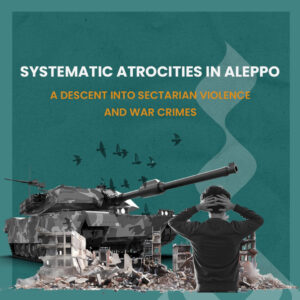
In an alarmingly volatile security landscape, Northern Syria—specifically the Kurdish-majority districts of Sheikh Maqsoud and Ashrafieh in Aleppo—is witnessing a brutal surge in human rights violations that amount to documented war crimes. Over the past 72 hours, the Syrian Observatory for Human Rights (SOHR) has recorded a staggering death toll of 39 civilians across various Syrian territories. This spike in fatalities reflects a dangerous escalation, characterized by direct military targeting, sectarian liquidations, and extrajudicial executions.
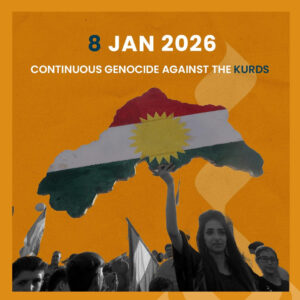
The city of Aleppo is witnessing a systematic war against the Kurdish people as of January 8 2026 marked by a dangerous military escalation targeting their residential neighborhoods the so-called operations room of Al-Jolani defense ministry announced a curfew and concentrated targeting starting at 01:30 PM covering Sheikh Maqsoud Al-Ashrafiya and Bani Zaid while ordering civilians to immediately evacuate and stay at least 500 meters away from targeted sites.